A veteran transition framework for finding a new mission without losing the person you became in service.
The views expressed in The Hot Wash are Robert’s own. These field notes are shared for professional development, reflection, and the continued work of becoming whole.
This isn’t just for veterans. It’s for the people who lead them, work alongside them, hire them, and manage them. If you have ever wondered why veteran employees operate the way they do—or why the transition can be difficult—this is a look at what may be happening behind their eyes.
You’re not done. You’re operating in a new theater.
This is not a handbook. It is a recon brief for a fight nobody warned you about. Service may have ended, but the mission still matters. The targets look different, the pressure is quieter, and the environment is unfamiliar. That does not mean you are soft, broken, or finished. It means you are being reassigned.
1. The new battlefield — adapting the mindset
Robert’s transition did not happen slowly. He went from serving as a Marine Corps Scout Sniper Instructor to a county sheriff’s academy, then into years of gang enforcement, SWAT, narcotics, and investigations. For a long time, the fight simply changed locations. Then it stopped.
His first civilian job after law enforcement was selling cars. No sirens. No adrenaline. Just cold leads and sales scripts. A referral led him into recruiting and eventually to a cubicle. The change felt less like a fresh start and more like a loss of purpose—until he began to see it as another deployment, one that required learning a new mission.
2. The hidden dangers of the desk
The desk can become its own kind of high-pressure environment, especially for people accustomed to action, structure, and meaningful consequence. The dangers are less visible:
- Isolation and loss of mission
- The absence of adrenaline and a sense of mental drift
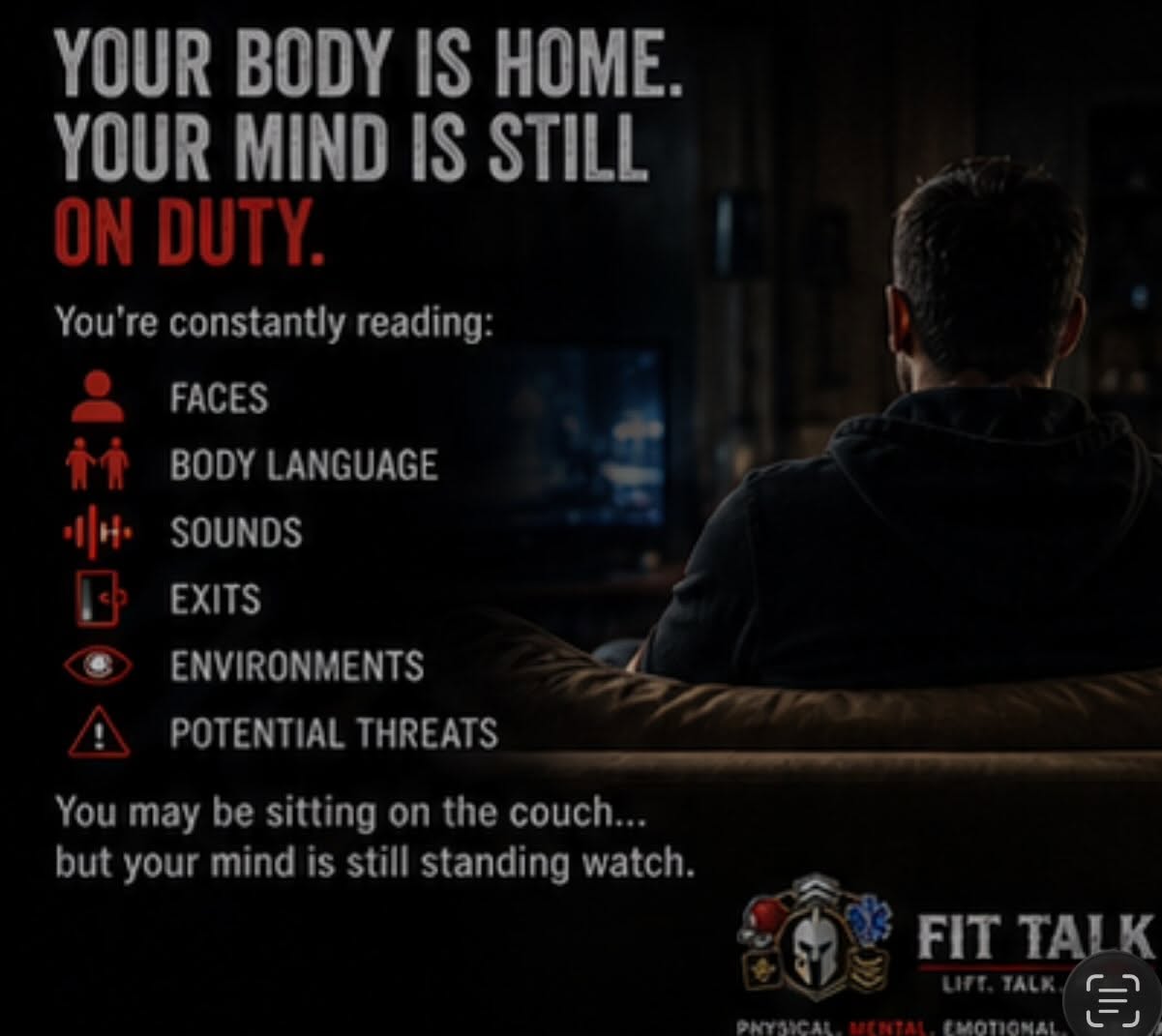
- Hypervigilance that no longer fits the environment
- Emotional numbness and the sense of becoming caged or muted
You are not going soft. You may simply be operating without a mission brief.
3. Reclaiming the routine
In the military and in law enforcement, a day has rhythm. Reveille, chow, patrol, debrief, repeat. Every moment serves the mission. Civilian life can feel like freedom at first, but without intentional structure it can quickly feel like being adrift.
Build a new battle rhythm. Own your area of responsibility. Take strategic breaks. Build a new unit. The tools that supported you before are still yours—you may only need new coordinates.
4. Tactical communication — the language barrier
Veterans and first responders are often trained to communicate directly, efficiently, and precisely because hesitation can carry a cost. Civilian communication can feel vague, roundabout, and full of uncertainty. What sounds abrupt to one person may simply be clarity under pressure to another.
For leaders, that means creating room for directness while helping people learn the dialect of the new environment. Veterans do not need to be diminished; they need to be understood. Given room to speak clearly, they can raise the standard in every room.
5. Rebuilding identity
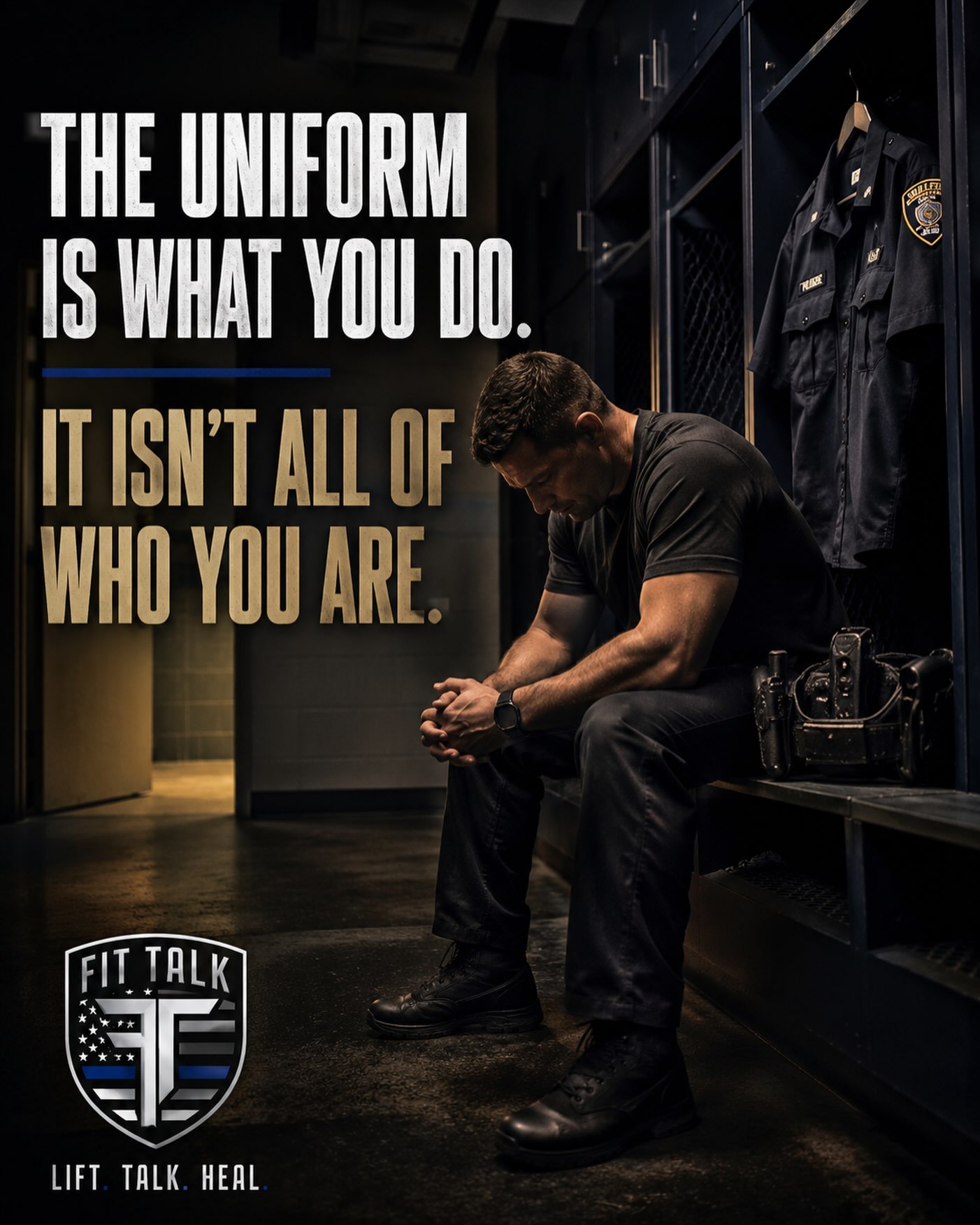
Taking off a uniform is more than a change of clothes. Rank, title, and the trust earned through hard experience no longer carry the same meaning in a new workplace. Going from being relied on in chaos to being another email address can feel like a loss of self.
Transition is not erasure. It is reassignment. You are not too intense, and you are not broken. You are recalibrating for a different fight.
6. The new mission
People shaped by service are built for purpose. When the mission disappears, momentum can disappear with it. That is when detachment and despair gain ground. Define a new mission. Find where you are needed. Identify what still needs defending. You were made to operate.
7. Civilian insurance
Benefits and insurance can feel like unfamiliar terrain. Treat them like a new piece of gear: learn the system, compare the options, ask peers for recommendations, and prepare for failure points. It is not just paperwork; it is recon for the life you are building.
8. Build your civilian unit
You do not have to walk alone. Connect with veterans, join industry networks, and start conversations with people who understand the culture. This is more than networking. It is rebuilding a forward operating base and laying the communication lines that keep you connected.
You have carried more than most people will ever understand. The best parts of you were not left behind in uniform. This world still needs you—not as a copy of who you were, but as the person you are becoming.
The battlefield changed. The work still matters.

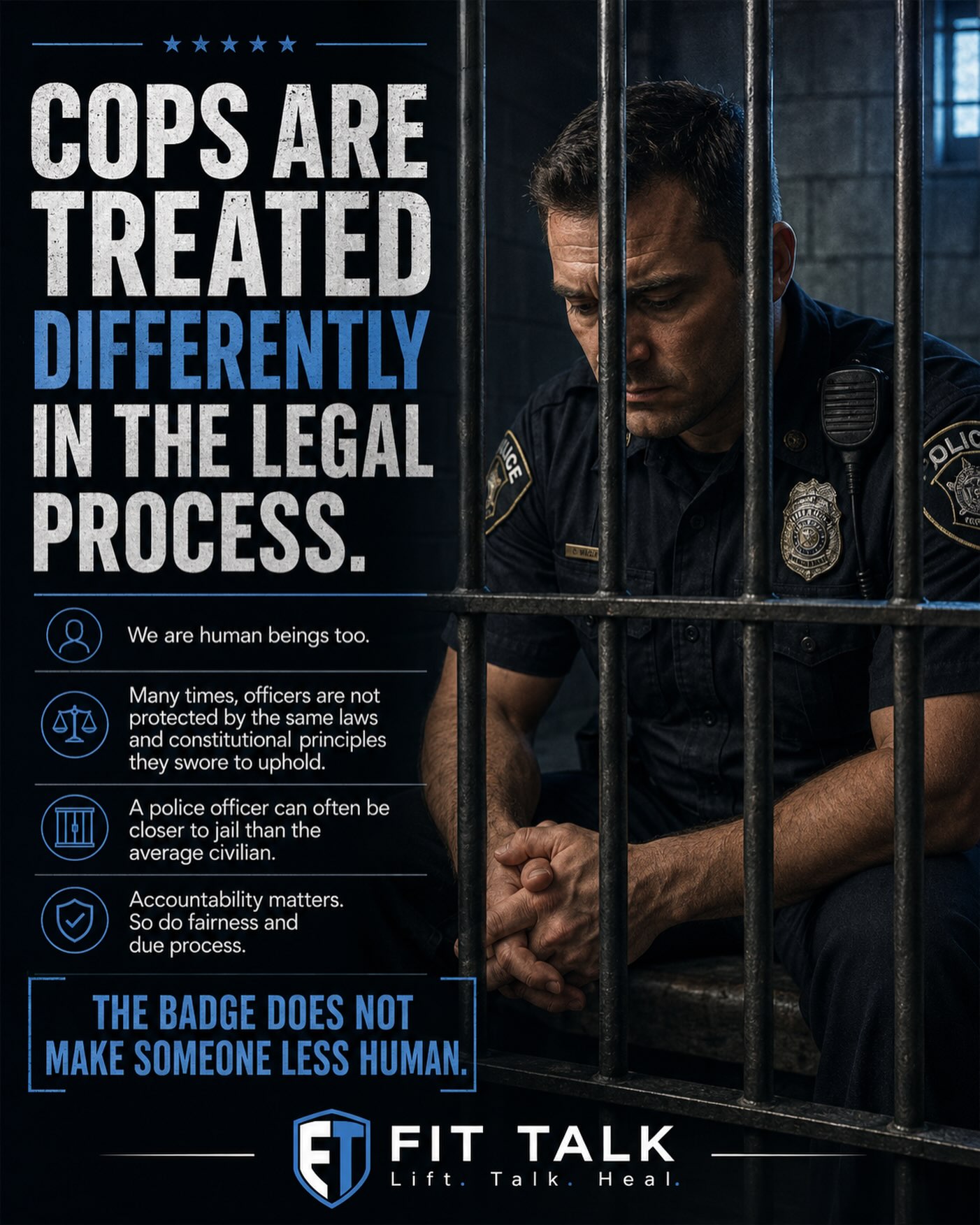 Recent post / 01The badge does not make you less human.Open on Instagram