First responder wellness • Peer-led

FITTALK

Get strong enough to carry the weight—and honest enough to put some of it down. Training, nutrition, and real conversation for first responders, service members, and military veterans.

Lift • Talk • Heal
PoliceFireEMSCorrectionsMilitary & Veterans

The mission

Strength for the body. Space for the mind.

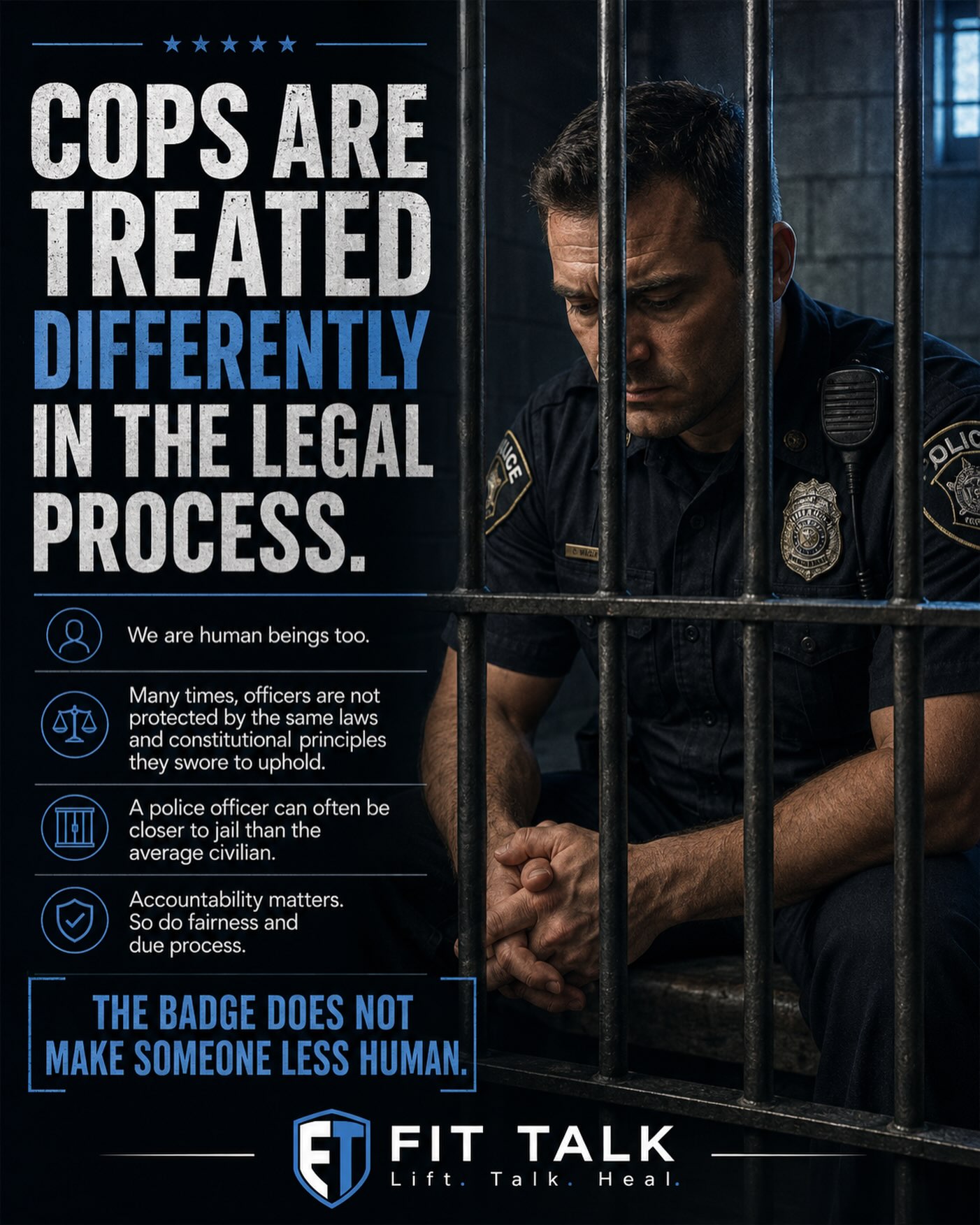
First responders are trained to run toward the hard things. But the job can make it difficult to admit when something is heavy, when sleep is off, when the anger stays, or when the person under the uniform feels lost.

Fit Talk makes room for both reps and real talk. We lift, move, eat better, and rebuild capacity—while opening a judgment-free conversation about what is actually going on.

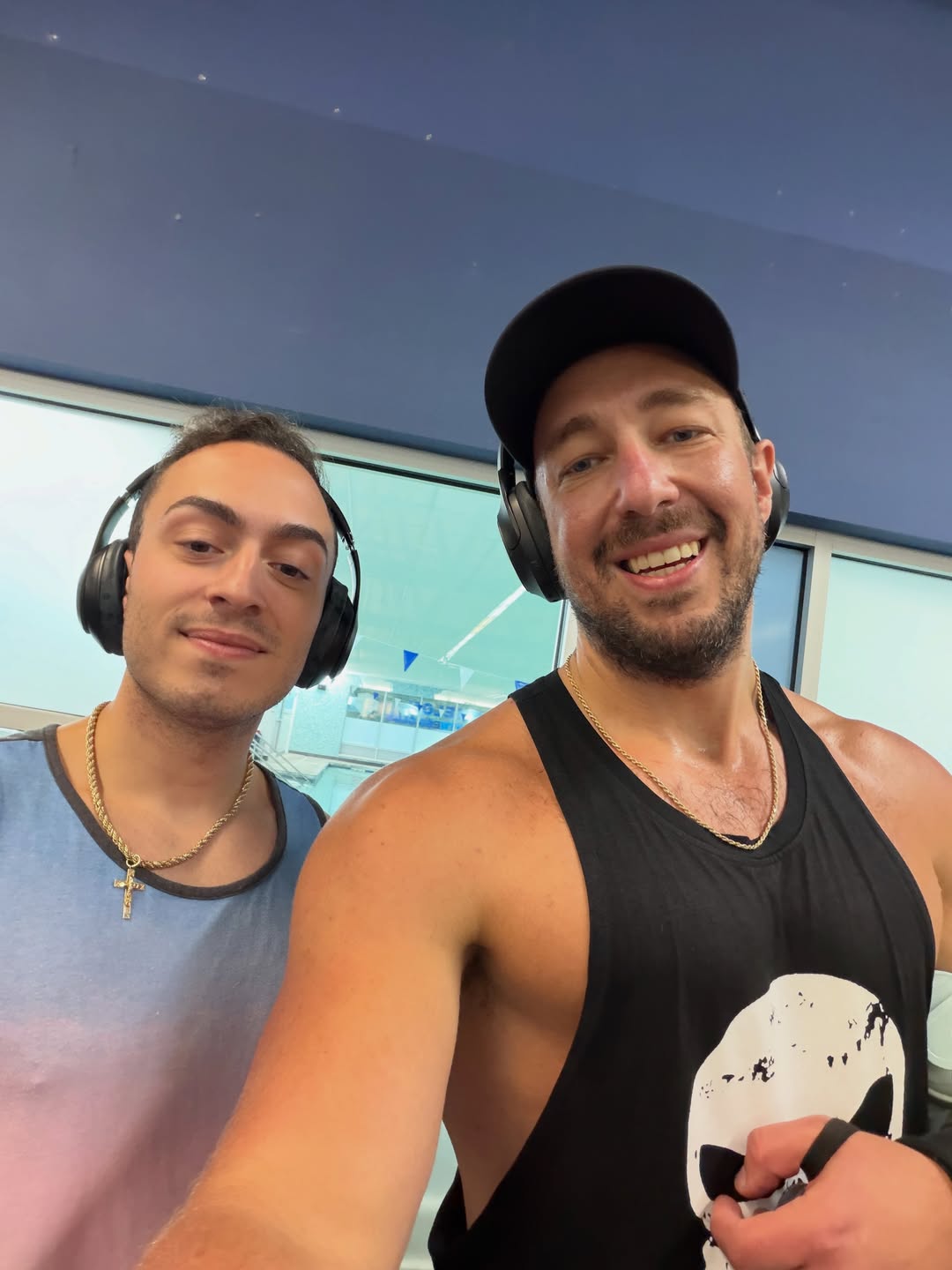
This is wellness built from lived experience: practical, peer-led, and designed to meet first responders and military veterans where they are. Whether you are still serving, transitioning out, or years removed from the uniform, you belong in this conversation.

The four

Whole-person readiness.

Because being ready for the next call means taking care of the person who answers it.

01 / PHYSICAL

Build capacity.

Strength, conditioning, cardio, mobility, recovery, and nutrition that support the realities of the job—and life beyond it.

02 / MENTAL

Train the mind.

Recognize stress patterns, build healthier tools, and make asking for support a sign of readiness—not weakness.

03 / EMOTIONAL

Name the weight.

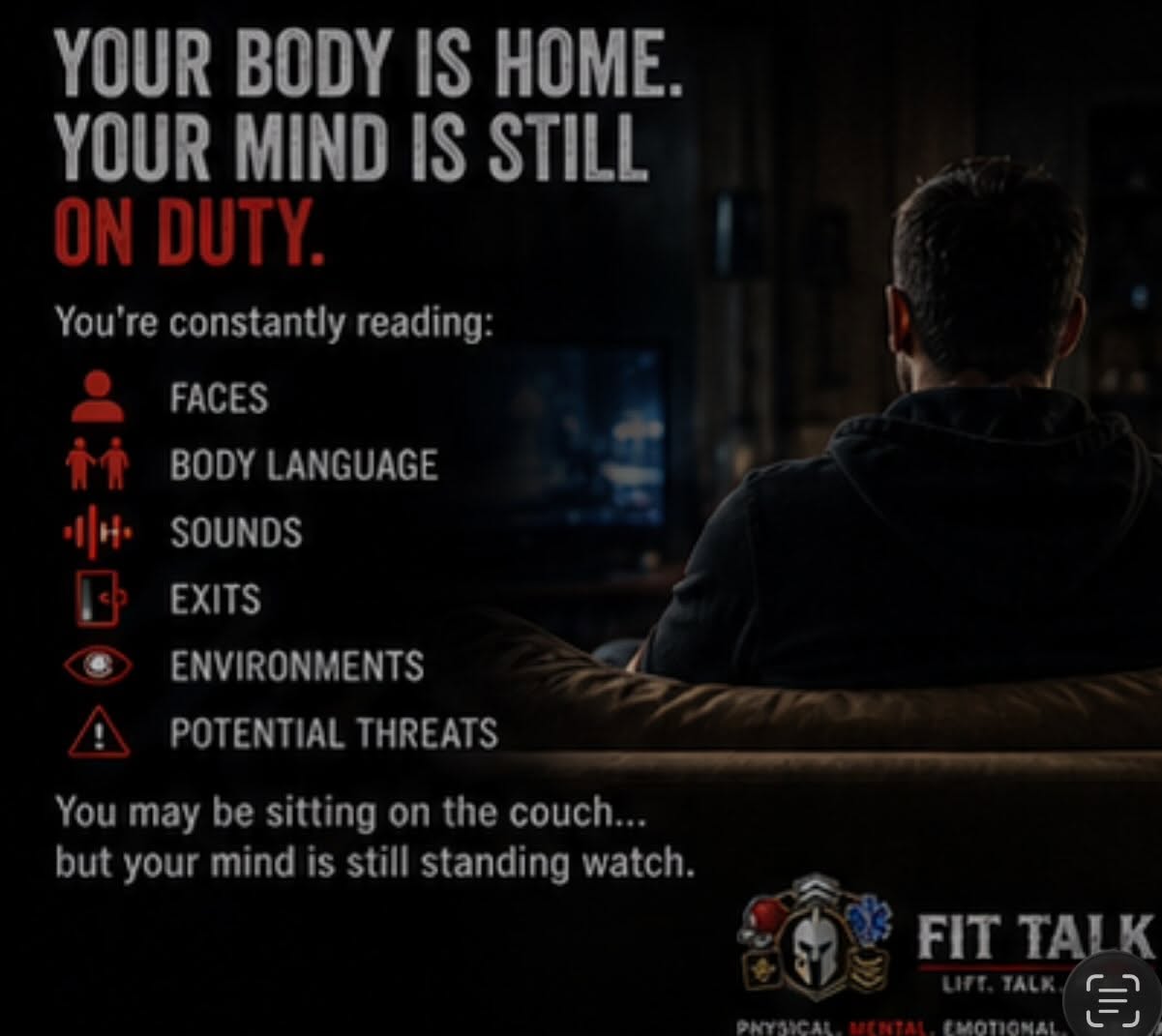
A safe peer space to talk through anger, grief, isolation, identity, relationships, and the things that follow you home.

04 / SPIRITUAL

Recover purpose.

Reconnect with values, community, faith or personal meaning, and a sense of who you are beyond the badge.

Spirituality at Fit Talk

Grounded in purpose.

Spiritual wellness makes room for faith, reflection, gratitude, service, and the personal values that help us stay anchored through the weight of the work.

Robert K. · Spiritual Mentor

Daily briefings

Robert K.A daily reset

A place to pause, reflect, and carry forward.

Robert will share short daily briefings designed to bring encouragement, perspective, and a practical moment of grounding to first responders, military veterans, and their families.

New REFIT video briefings are available below. Daily posts and briefing archives are coming soon.

Robert K. / REFIT

REFIT video briefings.

Short video reflections from Robert to help first responders, service members, veterans, and the families who carry the mission with them pause, refocus, and move forward.

REFIT / Day 02

REFIT Daily Briefing — Day 02

A short daily reset from Robert K.

REFIT / Day 04

REFIT Daily Briefing — Day 04

A short daily reset from Robert K.

Portrait of Robert K., Fit Talk Spiritual Mentor

Fit Talk field notes

The Hot Wash

A place for the honest debrief after the mission: lived lessons on transition, purpose, recovery, work, and the habits that keep us ready for what comes next.

Robert K.June 10, 2025Veteran transition

From Killzone to Cubicle

A veteran transition framework for finding a new mission without losing the person you became in service.

The views expressed in The Hot Wash are Robert’s own. These field notes are shared for professional development, reflection, and the continued work of becoming whole.

This isn’t just for veterans. It’s for the people who lead them, work alongside them, hire them, and manage them. If you have ever wondered why veteran employees operate the way they do—or why the transition can be difficult—this is a look at what may be happening behind their eyes.

You’re not done. You’re operating in a new theater.

This is not a handbook. It is a recon brief for a fight nobody warned you about. Service may have ended, but the mission still matters. The targets look different, the pressure is quieter, and the environment is unfamiliar. That does not mean you are soft, broken, or finished. It means you are being reassigned.

1. The new battlefield — adapting the mindset

Robert’s transition did not happen slowly. He went from serving as a Marine Corps Scout Sniper Instructor to a county sheriff’s academy, then into years of gang enforcement, SWAT, narcotics, and investigations. For a long time, the fight simply changed locations. Then it stopped.

His first civilian job after law enforcement was selling cars. No sirens. No adrenaline. Just cold leads and sales scripts. A referral led him into recruiting and eventually to a cubicle. The change felt less like a fresh start and more like a loss of purpose—until he began to see it as another deployment, one that required learning a new mission.

2. The hidden dangers of the desk

The desk can become its own kind of high-pressure environment, especially for people accustomed to action, structure, and meaningful consequence. The dangers are less visible:

  • Isolation and loss of mission
  • The absence of adrenaline and a sense of mental drift
  • Hypervigilance that no longer fits the environment
  • Emotional numbness and the sense of becoming caged or muted

You are not going soft. You may simply be operating without a mission brief.

3. Reclaiming the routine

In the military and in law enforcement, a day has rhythm. Reveille, chow, patrol, debrief, repeat. Every moment serves the mission. Civilian life can feel like freedom at first, but without intentional structure it can quickly feel like being adrift.

Build a new battle rhythm. Own your area of responsibility. Take strategic breaks. Build a new unit. The tools that supported you before are still yours—you may only need new coordinates.

4. Tactical communication — the language barrier

Veterans and first responders are often trained to communicate directly, efficiently, and precisely because hesitation can carry a cost. Civilian communication can feel vague, roundabout, and full of uncertainty. What sounds abrupt to one person may simply be clarity under pressure to another.

For leaders, that means creating room for directness while helping people learn the dialect of the new environment. Veterans do not need to be diminished; they need to be understood. Given room to speak clearly, they can raise the standard in every room.

5. Rebuilding identity

Taking off a uniform is more than a change of clothes. Rank, title, and the trust earned through hard experience no longer carry the same meaning in a new workplace. Going from being relied on in chaos to being another email address can feel like a loss of self.

Transition is not erasure. It is reassignment. You are not too intense, and you are not broken. You are recalibrating for a different fight.

6. The new mission

People shaped by service are built for purpose. When the mission disappears, momentum can disappear with it. That is when detachment and despair gain ground. Define a new mission. Find where you are needed. Identify what still needs defending. You were made to operate.

7. Civilian insurance

Benefits and insurance can feel like unfamiliar terrain. Treat them like a new piece of gear: learn the system, compare the options, ask peers for recommendations, and prepare for failure points. It is not just paperwork; it is recon for the life you are building.

8. Build your civilian unit

You do not have to walk alone. Connect with veterans, join industry networks, and start conversations with people who understand the culture. This is more than networking. It is rebuilding a forward operating base and laying the communication lines that keep you connected.

You have carried more than most people will ever understand. The best parts of you were not left behind in uniform. This world still needs you—not as a copy of who you were, but as the person you are becoming.

The battlefield changed. The work still matters.

Robert K.June 5, 2025Workplace wellness

Mission Critical: Survival Tactics for Remote Workers

A practical readiness guide for protecting your body, focus, and recovery when your work happens at a desk.

This article is educational and reflects personal experience. It is not medical advice, diagnosis, or treatment. Speak with a qualified clinician about pain, symptoms, circulation concerns, sleep issues, or any other health question.

Robert is not a doctor. He is a talent advisor with more than two decades in the defense industry, and before that he served in Special Operations in the United States Marine Corps and later in law enforcement. He has spent time in high-stress environments and has paid the physical and mental price. What finally sidelined him was not a battlefield or raid—it was the desk.

Long hours, sitting, and strain can add up slowly and then suddenly. The goal here is maintenance after recovery and prevention before a problem becomes harder to reverse. You do not need to be a veteran or a cop to feel these effects. If you sit in a chair all day and stare at a screen, readiness matters for you too.

1. Musculoskeletal issues

Desk work often shows up as lower-back pain, neck and shoulder tension, tight hips and hamstrings, weak glutes and core, or repetitive strain. Build small resets into the day:

  • Adjust your chair and monitor height for your body.
  • Stretch hips, shoulders, and spine daily.
  • Move for at least five minutes about every fifty-five minutes.
  • Use resistance bands or simple mobility tools to stay engaged.

2. Eye strain

Dry, itchy, burning eyes, blurred vision, headaches, and sensitivity to light can be signs that screen time is taking a toll. Use the 20-20-20 reset: every twenty minutes, look at something roughly twenty feet away for twenty seconds. Set your monitor about an arm’s length away and slightly below eye level, and remember to blink intentionally.

3. Mental health strain

Remote work can bring isolation, rejection burnout, video-call fatigue, and blurred boundaries between work and personal life. Schedule a daily point of connection. Set firm work hours. Celebrate small wins. Get outside for sunlight and take intentional breaks away from screens. These are not soft habits; they are ways to protect the person doing the work.

4. Sedentary lifestyle — the silent killer

The body was built for continuous motion, not long stretches of stillness. A morning workout does not automatically offset a full day of sitting. Extended inactivity can affect energy, concentration, mobility, and overall health. Small, frequent movement—short walks, standing breaks, or a timer-based work rhythm—helps keep the body ready. It is not only about exercise. It is about refusing to rust in place.

5. Poor circulation — the price of stillness

Long periods of sitting can leave the lower body feeling stiff, numb, cold, or swollen. Stand regularly, stretch calves and thighs, hydrate, elevate your feet when appropriate, and walk between tasks. An under-desk cycle or a short lap between calls can help keep your body and your brain engaged. If symptoms concern you, contact a medical professional promptly.

6. Sleep disruption — no off switch, no recovery

Screens, late-night messages, and “just one more thing” can train your brain to stay on duty around the clock. When the workday never closes, recovery suffers. Build a shutdown ritual: power down, clear the desk, step away, and let your mind and body understand that the mission is complete for the day.

7. Gluteal amnesia — when your foundation goes quiet

Too much sitting can make it harder for your glutes to fire effectively, which can affect how your hips, core, and lower back share the workload. Robert had to return to the basics: glute bridges, clamshells, band work, and intentional mind-muscle connection. Do not skip the fundamentals. Activate the foundation that supports the rest of you.

The goal is not perfection. It is awareness, consistent movement, and a daily decision to protect the person who carries the mission.

Your edge is worth maintaining.

From one who’s been there

The journey became the work.

13 years law enforcement Patrol officer Detective Army National Guard

My life of service includes time in the Army National Guard and 13 years in law enforcement as both a patrol officer and detective. Those roles taught me to run toward danger, protect people, stay in control, and keep moving no matter what I carried home. Over time, the calls, the pressure, the long hours, and the responsibility followed me off duty.

In Shatterproof, I wrote about treating my mind like a car with every warning light flashing. I would diagnose an engine, call a mechanic, and ask for help—but when I was the one struggling, I kept my foot on the gas. That is how people like us break: not all at once, but by ignoring ourselves for too long.

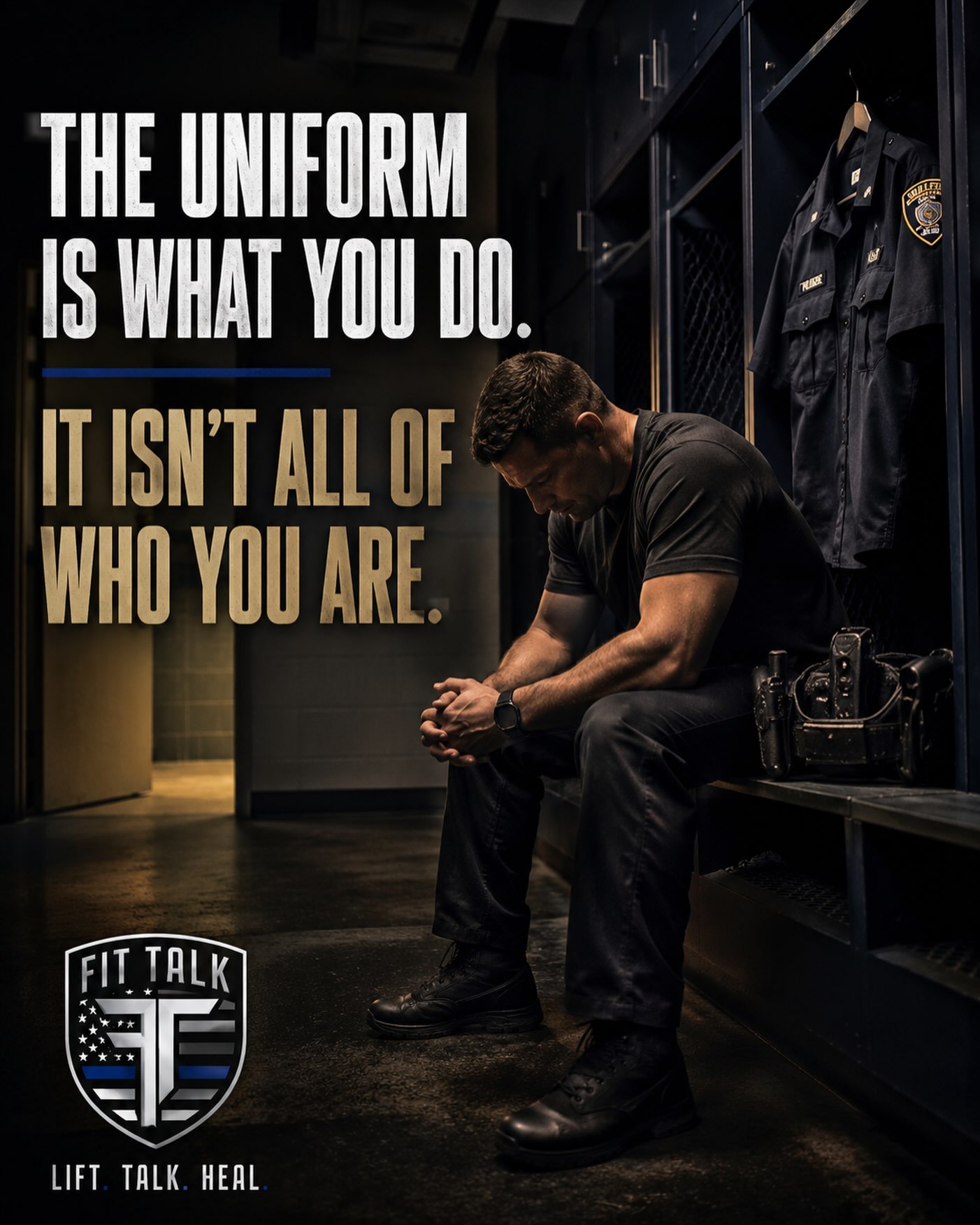
The uniform can become more than what we wear. It can become who we think we are. Somewhere along the way, we can forget the person beyond the profession. I had to remember that I was not only a soldier, patrol officer, or detective. I was—and still am—a husband, a father, and a man whose family needed the real Stephen, not only the protector behind the badge.

Recovery was not one dramatic moment. It was structure, movement, honest conversations, faith, compassion, and learning to ask for help. It was rebuilding one day at a time—physically, mentally, emotionally, and spiritually—and realizing that the person underneath the badge was still worth saving.

Fit Talk grew from that lesson. It exists so first responders can recognize the warning lights sooner, get stronger without hiding what hurts, and make the journey with someone who understands the culture and the weight of the job.

“Shatterproof does not mean you never crack. It means you refuse to stay shattered.”

Ways to work

Meet the moment.

A starting point for the individual responder or veteran, the crew, or the whole organization.

01 • One-to-one

Individual coaching

A private, practical plan built around your body, your schedule, and what you are carrying—whether you are on the job, transitioning out, or living as a veteran.

  • Personal fitness direction
  • Nutrition and recovery habits
  • Peer wellness conversations
  • Progress and accountability
Start privately →
02 • Small group

Fit Talk crews

Train together, build trust, and normalize the conversations that too often happen only after a crisis.

  • Guided group workouts
  • Facilitated peer check-ins
  • Shared goals and challenges
  • Stronger team connection
Build a crew →
03 • Organization

Department wellness

A culture-forward offering that helps leaders make whole-person readiness visible, practical, and repeatable.

  • Wellness workshops
  • Leadership conversations
  • Fitness and habit challenges
  • Custom department programs
Bring Fit Talk in →

Bring Fit Talk to your agency

The real talk your people need to hear.

Fit Talk comes to agencies, unions, wellness teams, and veteran groups ready for a conversation that goes beyond surface-level wellness.

01 / The career

What we carried.

We speak honestly about the highs, the lows, the pride, the pressure, the long hours, and the stress that can build across a life of service. No judgment. No pretending it never follows us home.

02 / The human

Who we are beyond the uniform.

The job can become our whole identity. We open the door to conversations about family, purpose, isolation, and remembering the person underneath the badge, title, or rank.

03 / The way back

Recovery is a practice.

There is no finish line for getting well. We share the day-by-day work of overcoming adversity through honest connection, movement, faith, support, and the courage to take the next right step.

The Fit Talk Podcast

The conversations are coming.

Coming soon

Real conversations about fitness, trauma, identity, family, faith, and life beyond the badge or uniform—for first responders, service members, military veterans, and the families who stand beside them.

  • First responders
  • Military veterans
  • Peer stories
  • No judgment

No performance. No judgment.

You carried enough alone.

Whether you are a first responder or military veteran who wants to move better and feel like yourself again—or a leader building a healthier culture for your people—the first step is a straightforward conversation.

Your request will be sent directly to Fit Talk. Prefer email? Email Fit Talk directly.